Dealing with Statistics in Grad School
Author: Kiran Basra
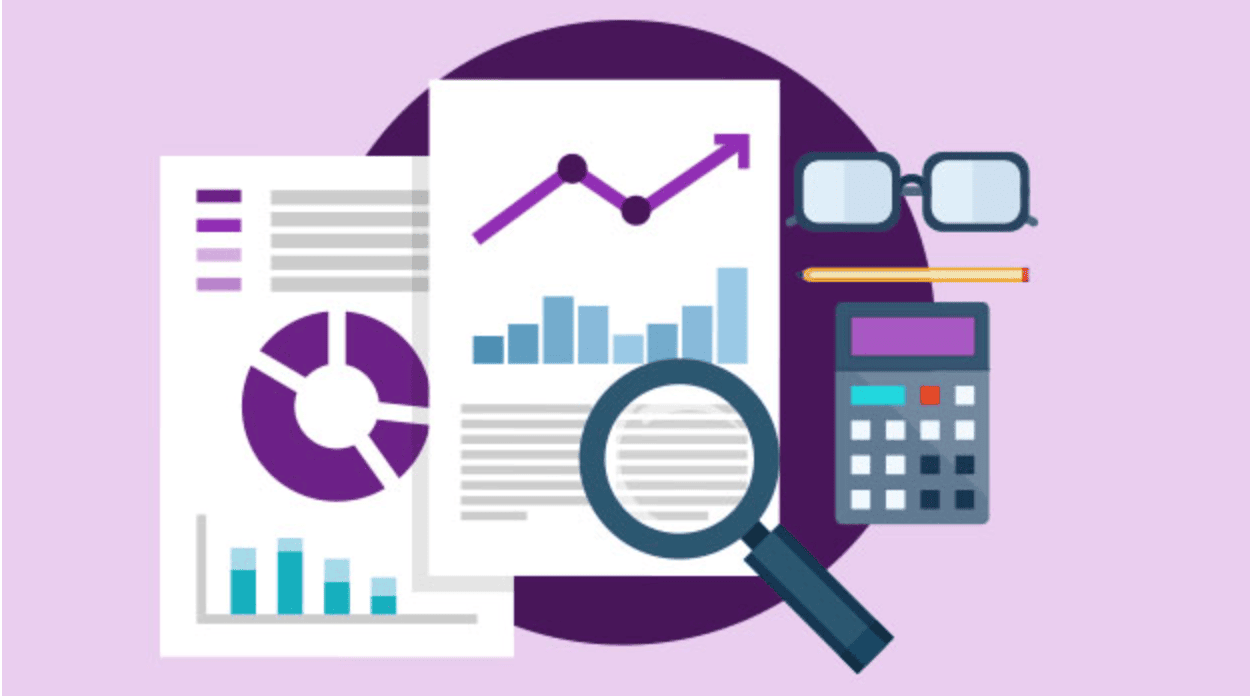
The neuroscience grad student approaches statistics the way other people approach the brain; we know it’s important and essential, but we have no clue how it works and we’re afraid that poking around with it could kill someone. There are too many resources on statistics to know which to trust and to tell which has what you need, so I did what we all do when we’re in trouble and asked Sandra Murphy for her advice.
Depending on your level of confidence, here are a few resources to help you with stats:
I don’t know how I passed 12th grade
On weekdays from 2:30-6:30, in Hamilton Hall 104, the Math Department holds tutoring.A math graduate student will sit down with you and will explain all the basics until they make sense to you, as many times as you need. No sign-up or appointment necessary. You can also use the basic quantitative toolkit, which has resources in several different formats meant to help all sorts of learners.
I slept through my required first-year stats class
You may have left Khan Academy behind in high school, but they’ve still got your back. The AP/College-level Khan Academy course on statistics will explain t-tests, chi-squared tests, and linear regression models to you. Even better, they’ll give you practice exercises to do and explain where you went wrong on them. If you want to go at your own pace with a textbook, try Biostatistics for the Biological and Health Sciences by Triola, Triola, and Roy.
I lie about understanding the statistical analysis sections on papers
Every time I don’t understand something, my first stop is The User’s Guide to the Medical Literature. Go to the index and look for the specific term you don’t understand; I’ve never read something that didn’t have an entry in this textbook. They’ll use examples from the point of view of a researcher reading a paper and trying to understand it, so you can apply it to what you need. If you want to learn in a more general sense, the User’s Guide is a bit dense for that. Instead, try The Elements of Statistical Learning by Trevor Hastie and Robert Tibsharani.
I think knowing grad-level stats will cure my imposter syndrome
There is a neuroscience graduate-specific statistics course that runs almost every semester, usually taught by Dr. Minuzzi. He’ll tell you all the wrong assumptions you’ve been making and start from the beginning to show you how to do it right. If you have specific queries, make a Zoom appointment at the Data Analysis Support Hub, which is run by McMaster to help with all your research questions. They also have a series of online modules and workshops to teach you how to use programs like R and SPSS. Use Introductory Statistics with R by Peter Dalgaard to troubleshoot why your program isn’t working.
I chose a thesis that requires statistics wizardry
It’s easy to forget when you’re buried in your research, but you’re in university to learn. If you need to learn advanced statistics, take an advanced statistics course! You’ll have to fill out a form and request permission from your supervisor and the host department, but people are rarely denied. Consider third- and fourth-year undergraduate statistics courses as well as the graduate-level courses and read the course descriptions to see which seems like it fits your needs best. To find out where to learn something specific, reach out to the RDC and investigate the Research Data Management program. The Sherman Centre for Data Sciences is full of helpful people who do statistics for fun and will gladly induct you into their data cult.Armed with these resources, you’re now well equipped to tackle even the most challenging statistical problems with confidence!